
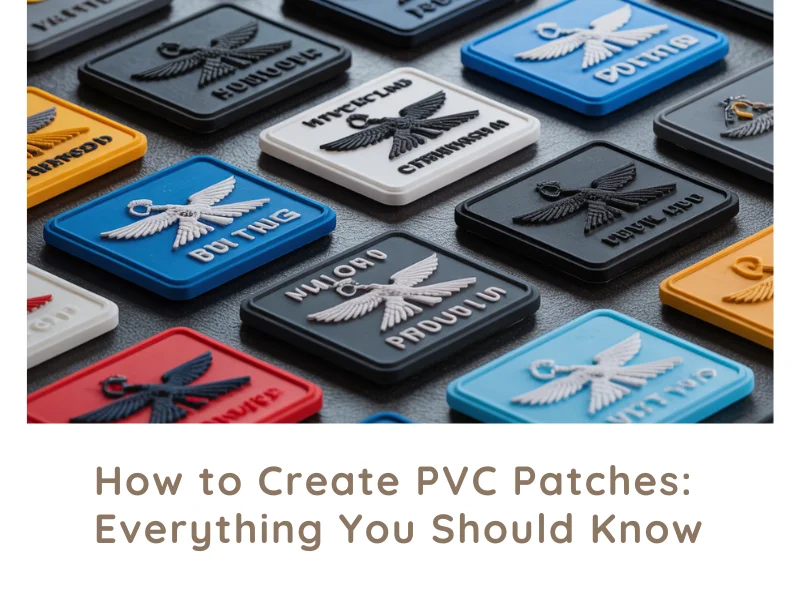
How to Create PVC Patches: Everything You Should Know
Many companies in fashion, outdoor products, or those interested in commercial branding or promotional items are opting for PVC patches for their durability, vibrant colours, and high level of customisation. Unlike traditional embroidery methods, PVC patches are manufactured from a more modern, flexible plastic.
Therefore, the colour choices will have no restrictions; the detail can be made very fine; and they can create a 3D effect, which makes them stand out immediately. However, many businesses use PVC patches in their branding because they are completely waterproof, weather-resistant, and durable.
This blog post will provide a comprehensive overview of PVC Patches Canada, from a basic understanding of the material used to manufacture the patches, through the design process, and finally, with step-by-step instructions for the complete production process. This article will be a useful tool for companies and individuals who wish to produce their own custom patches, from start to finish.
What Are PVC Patches?
PVC patches are replacing traditional embroidery patches due to their durability and design versatility. PVC patches can withstand wear and tear better than any other type of patch and also offer more design options than other materials.
Soft polyvinyl chloride is used to create a raised design (3D) by layering various colored material layers on top of each other. The production process creates cleaner edges, sharper detail, and brighter, more vibrant colors that will not fade over time. The waterproof and weather-resistant properties of PVC patches make them to be used in a variety of industries such as fashion, corporate branding, tactical equipment, and outdoor apparel
Unlike traditional embroidery or stitch sewing, PVC patches are manufactured using soft, flexible polyvinyl chloride that looks and feels quite similar to rubber. By using plastic instead of thread for uniform construction, PVC patches can produce brighter colours than those made using conventional methods.
From jackets to caps and bags to tactical gear, PVC patches can be used on almost any type of clothing. Their ability to resist fading, tearing, and fraying makes them ideal for extreme conditions.
Some benefits of using PVC patches include:
- Durability: PVC patches will withstand significant wear and tear and extreme weather conditions.
- Water Resistant: PVC patches can be used outdoors and for heavy-duty use.
- Flexibility: PVC patches are soft and can bend without losing their shape.
- Customisation Options: PVC Custom Canada Patches can be designed to accommodate very detailed, multi-colored designs.
- Low Maintenance: PVC patches are easy to clean and will last a long time.
Materials Required
Making PVC patches requires the following materials and tools:
- PVC raw material (liquid or granules)
- Patch mold (custom-designed based on artwork)
- Color pigments
- Injection or dispensing machine
- Heat oven or curing system
- Backing options (Velcro, adhesive, sew-on, etc.)
Step-by-Step Process to Make PVC Patches
PVC Patch Production: Step-by-Step Overview
1. Start with a Digital Design
Convert your artwork to vector format and separate it into layers by color and depth. This ensures the final patch will be precise and detailed.
2. Develop a Custom Mold
Use the vectorised design to create a custom mold, with each section corresponding to a different color or layer. The mold serves as the foundation for shaping the patch.
3. Prepare Colors
Mix liquid PVC with pigments to get the exact colors needed. Prepare each color separately for consistency across patches.
4. Inject PVC Material
Carefully inject each colored PVC layer into the mold. Work layer by layer to keep colors sharp and edges clean.
5. Cure and Solidify
Partially cure each layer before adding the next. Once all layers are in place, cure the entire mold in an oven to solidify the patch.
6. Cool and Remove Patches
Let the patches cool, then remove them from the mold. At this point, each patch has its final shape and structure.
7. Trimming and Finishing
After removing excess material and finishing the edges, you can apply additional finishes to achieve a premium appearance, such as a matte or gloss finish.
8. Backings
You may attach the backing to the patch depending upon your use requirements, i.e., backings include:
- Velcro backing (for removable patches)
- Adhesive backing (for easy-to-attach patches)
- Sew-on backing (for permanently attached patches).
Manufacturers produce PVC patches through a precise and adaptable process. Designers first create a digital patch, which is separated into layers. The patch is then shaped by technicians using a special mold. Once the mold is complete, they pour colored PVC material into the mold, layer after layer, forming the patch. Heat is applied to the mold, followed by cooling, to achieve the final details. The layers are cut after cooling, and a backing is placed on them to be used temporarily or permanently. The step-by-step process produces high-quality, consistent results and enables virtually unlimited customisation, making PVC patches a good option for both businesses and individuals.
Types of PVC Patches
PVC patches Canada can be made using a variety of styles, depending upon your design requirement, which are:
- 2D PVC patches (flat with raised edges) – simple and clean
- 3D PVC patches (multiple layers for greater depth/texture)
- Glow-in-the-Dark patches (suitable for night visibility)
- Velcro patches (used frequently for military/tactical purposes)
- Printed PVC patches (for artwork with detailed designs).
Common Uses of PVC Patches
PVC patches are widely used across industries, including:
- Fashion and streetwear branding
- Corporate logos and promotions
- Military and tactical gear
- Sports teams and clubs
- Outdoor and adventure equipment
FAQs
1. What is the durability of PVC patches?
PVC patches are very durable and do not fade, crack, or fray, making them long-lasting. They are waterproof and weather-resistant, which makes them suitable to be used both inside and outside.
2. Do you prefer PVC patches or embroidered patches?
Due to their durability and bright colors, PVC patches are preferred because of their 3-dimensional look. They also will not fray or wear out like embroidered patches; thus, they are appropriate for heavy use.
3. Can you create your own custom design for PVC patches?
Yes, you can make custom PVC patches with detailed designs using numerous colors or simple 2D shapes. You can also create custom PVC patches that glow in the dark, have 3D textures, etc.
Conclusion
PVC patches are durable, flexible, and attractive, making them the ultimate product for contemporary branding and custom projects. Their design-to-finish process is highly accurate and flexible, offering a range of creative possibilities.
Businesses and individuals alike benefit from knowing how PVC patches are made. This knowledge leads to better design choices and higher quality results. With proper techniques and materials, PVC patches deliver aesthetics and durability that last.

I am the creative voice behind CanadaPatches.ca, turning complex patch designs and branding ideas into simple, easy-to-follow solutions. My blogs explain customization processes, material choices, and ordering tips in a practical way. I focus on helping businesses and individuals build strong brand identities. My goal is to make custom patch creation clear, confident, and stress-free.